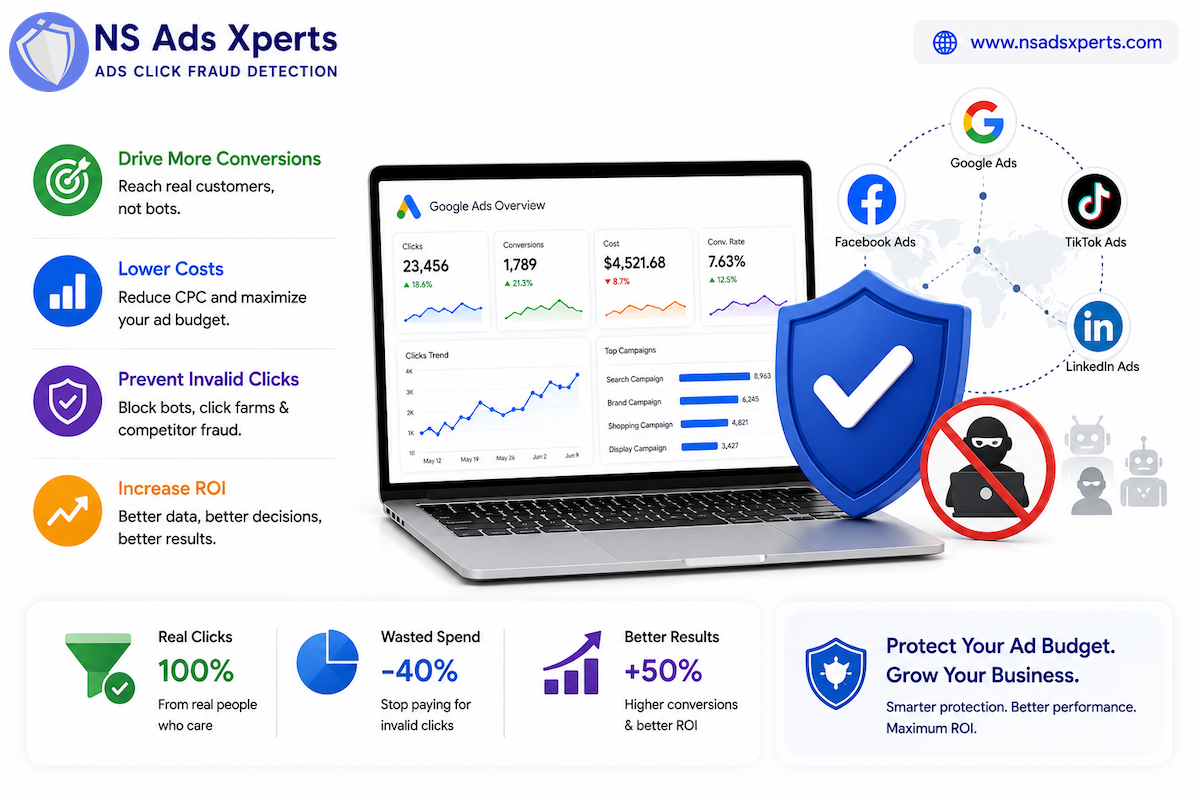
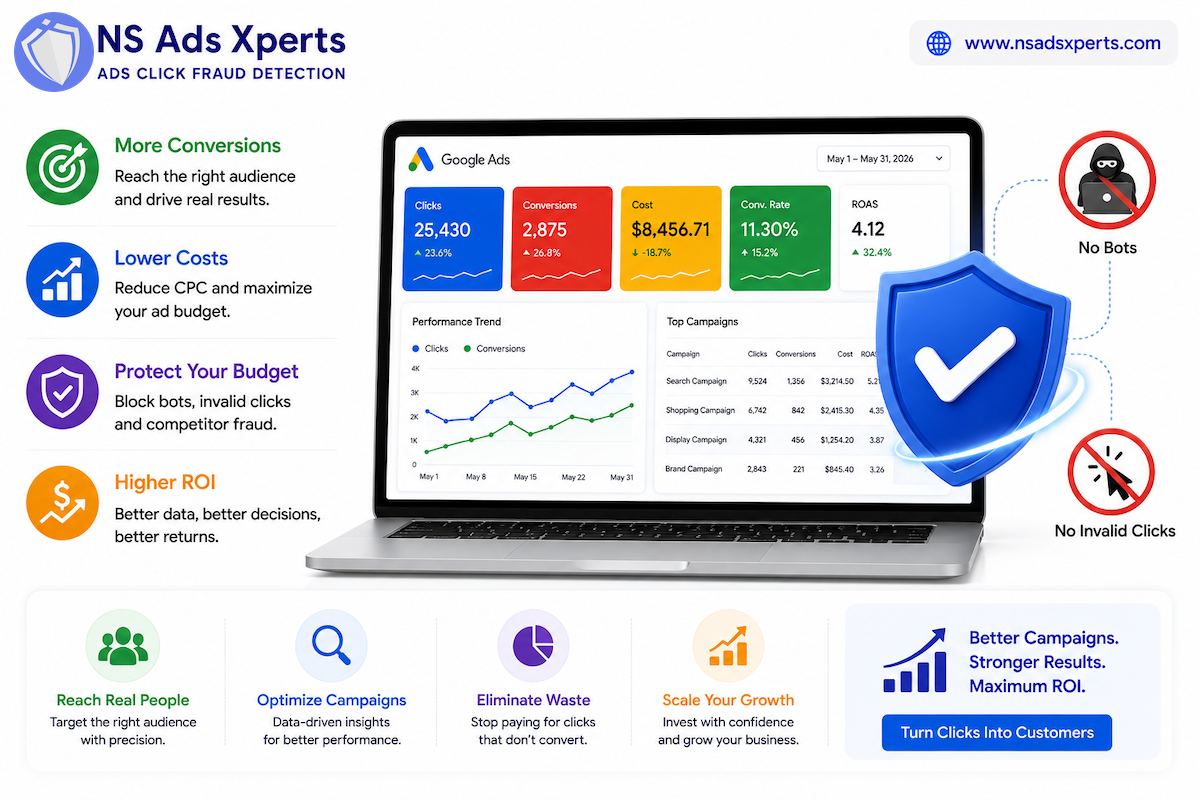
Over 63% of people globally have clicked on a Google ad, yet many businesses struggle to see a profitable return, often losing money to unseen threats. While Google Ads (formerly known as AdWords) offers unparalleled reach and targeting, simply running campaigns isn’t enough to guarantee success. You need a strategy that not only optimizes for legitimate clicks but also actively protects your budget from wasteful, fraudulent interactions. This guide will equip you with the insights to master your google adwords ppc campaigns, ensuring every dollar spent drives genuine value and converts into customers.
What is Google AdWords PPC and How Does It Drive Business Growth?
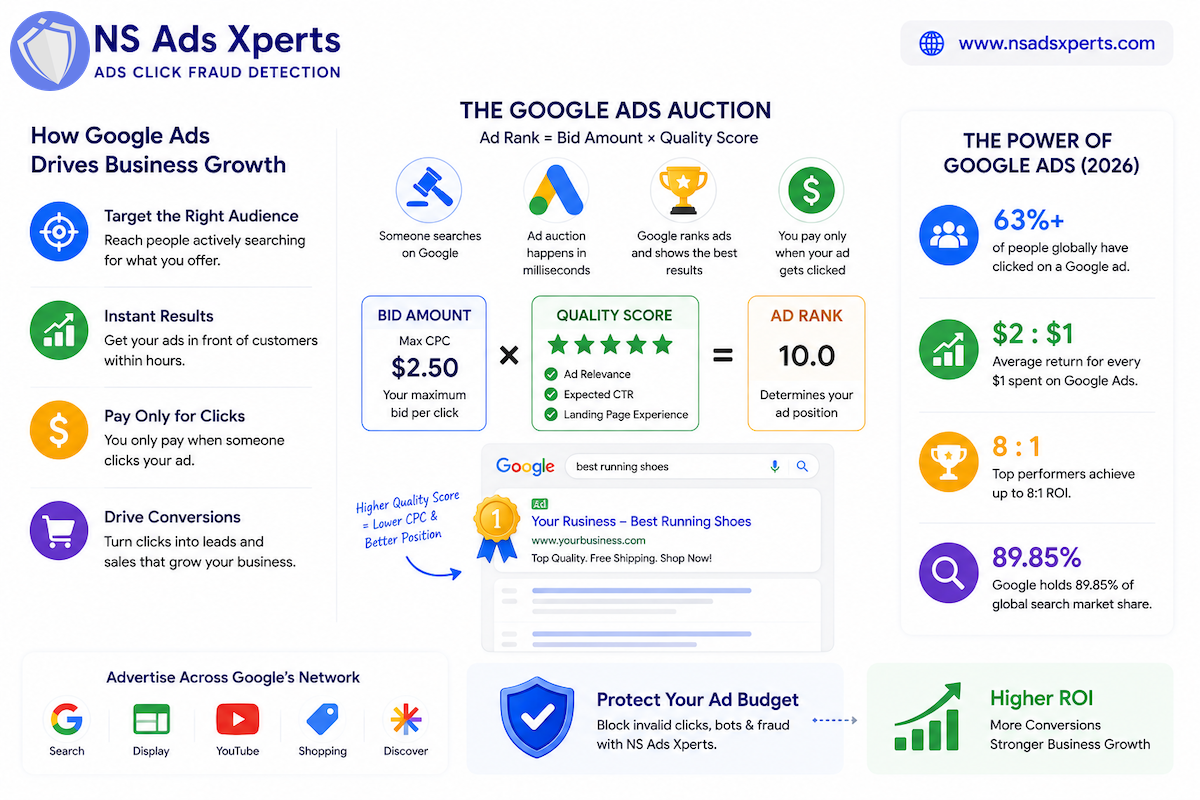
Google Ads, famously known by its former name, AdWords, is Google's premier pay-per-click (PPC) advertising platform. Under this model, businesses bid on keywords relevant to their products or services, and their ads appear across Google’s vast network — including Search, Display, YouTube, and Shopping. The fundamental principle of PPC is simple: you only pay when a user clicks on your ad.
The system operates on a sophisticated ad auction. When someone searches on Google, an auction instantly takes place, determining which ads are displayed and in what order. Key factors influencing this include your bid amount and, crucially, your Quality Score. A higher Quality Score — driven by ad relevance, expected click-through rate (CTR), and landing page experience — can lead to lower Cost Per Click (CPC) and better ad positions.
The power of google adwords ppc lies in its measurability and immediate impact. Unlike long-term SEO, PPC campaigns can deliver results within hours of launch. Businesses typically report an average of $2 in revenue for every $1 spent on Google Ads, with top performers achieving an 8:1 return (Google Economic Impact Report, 2023). In 2026, Google continues to dominate with 89.85% of global search traffic, making its advertising platform indispensable for reaching targeted audiences with high commercial intent.
Navigating Common Challenges in Google Ads PPC Campaigns
Despite its potential, many businesses running google adwords ppc campaigns encounter significant hurdles that prevent them from achieving optimal ROI. These aren't just minor annoyances; they're budget-draining pain points:
- High Cost Per Click (CPC) & Rising Ad Costs: Even with seemingly low competition, CPCs can skyrocket, making it difficult to maintain profitability. This often points to deeper issues than just market saturation.
- Low Conversion Rates Despite Good Clicks: You're getting clicks, but they aren't translating into leads or sales. This disconnect signals problems with audience targeting, ad-to-landing page relevance, or the landing page experience itself.
- Wasted Ad Spend: A significant portion of ad budgets can be lost to irrelevant clicks, low-quality leads, or non-converting traffic. This directly reduces overall ROI and makes scaling campaigns unprofitable.
- Time-Consuming Optimization: The constant need for reporting, keyword adjustments, bid optimizations, and ad copy refreshes can consume an enormous amount of time, diverting focus from strategic planning.
- Poor Keyword Targeting: Using overly broad, irrelevant, or low-volume keywords leads to your ads showing for the wrong searches, attracting unqualified traffic.
- Subpar Landing Page Experience: Slow load times, cluttered layouts, or content that doesn't match the ad's promise often cause users to bounce immediately, turning a paid click into a lost opportunity.
The Hidden Threat: How Click Fraud Devours Your Google Ads PPC Budget
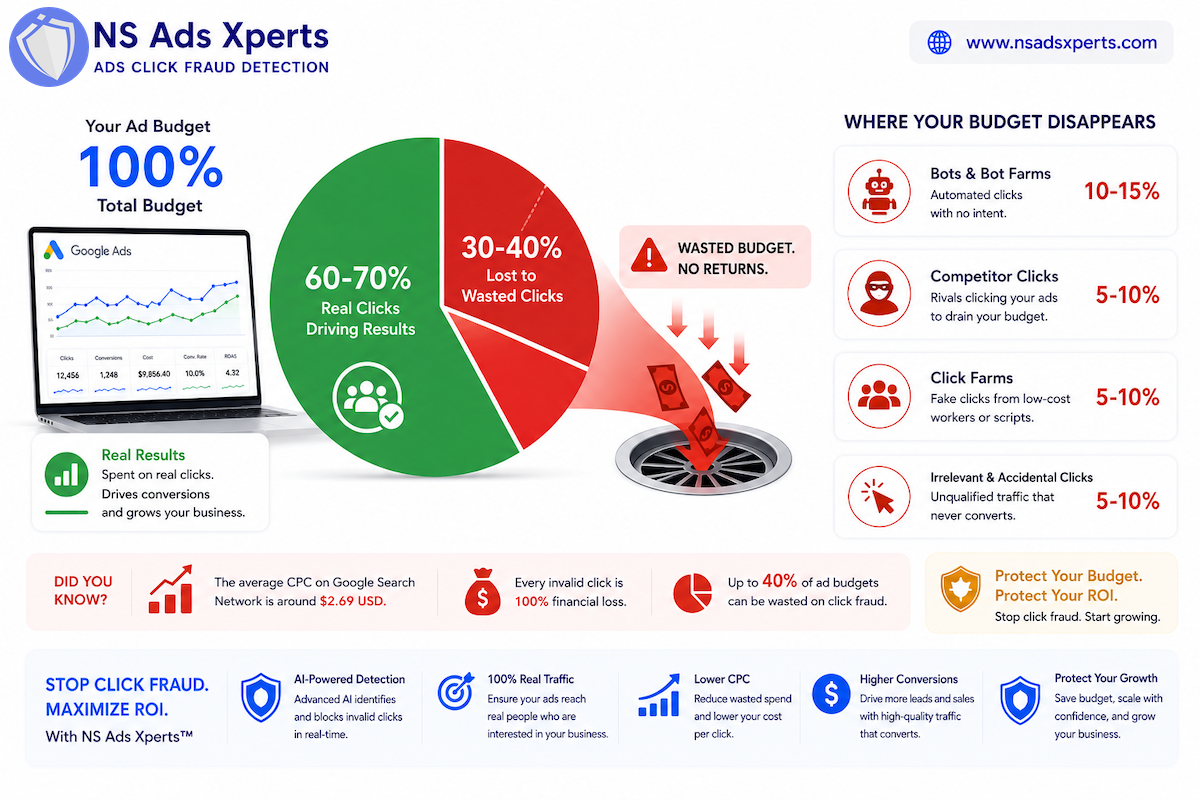
Among the most insidious and often overlooked challenges in google adwords ppc is click fraud. This isn't just about inefficient targeting; it's about malicious activity directly stealing your ad budget. Click fraud encompasses invalid clicks generated by:
- Bots and Bot Farms: Automated scripts designed to click on ads repeatedly, inflating impressions and clicks without any human intent.
- Competitors: Malicious rivals clicking your ads to deplete your budget, hoping their ads will then appear more frequently.
- Click Farms: Networks of low-wage workers or automated systems designed to generate fake clicks.
The impact of click fraud is devastating. It directly inflates your CPC, skews your campaign data with false engagement metrics, and wastes a substantial portion of your advertising budget on clicks that will never convert. This invisible drain can make a seemingly optimized google adwords ppc campaign underperform drastically, leading to frustration and a false perception that the platform itself isn't working. In a competitive landscape where the average CPC on the Google Search Network is around $2.69 USD, every fraudulent click is a direct financial loss.
Ignoring click fraud is akin to leaving money on the table for competitors and bots to take. Specialized solutions like NS Ads Xperts™ are designed to combat this by detecting and blocking invalid clicks in real-time, ensuring your budget is spent on genuine prospects.
Strategies to Optimize Your Google Ads PPC Performance for Maximum ROI
Achieving a high ROI from your google adwords ppc campaigns requires a multi-faceted approach, balancing traditional optimization with proactive protection. Here are key strategies:
Refine Your Keyword Strategy with Precision
- Leverage Match Types: Use a strategic mix of Broad Match Modified (now deprecated in favor of Phrase Match), Phrase Match, and Exact Match to control ad visibility.
- Implement Negative Keywords: Continuously add irrelevant search terms as negative keywords. This prevents your ads from showing for searches that won't convert, significantly reducing wasted spend.
- Long-Tail Keywords: Target specific, longer keyword phrases that indicate higher user intent and often have lower competition.
Craft Compelling Ad Copy and Utilize Extensions
- Benefit-Oriented Messaging: Focus on what your product or service does for the customer, not just what it is. Highlight unique selling propositions.
- Strong Call-to-Actions (CTAs): Use clear, action-oriented language like “Get a Free Quote,” “Shop Now,” or “Download Your Guide.”
- Ad Extensions: Maximize your ad's real estate and provide more information with sitelink, callout, structured snippet, and call extensions. This boosts CTR and Quality Score.
Optimize Your Landing Page Experience
- Relevance is Key: Ensure your landing page content directly matches the ad's message and keyword intent. A disconnect leads to high bounce rates.
- Fast Load Times: Users expect instant gratification. Slow-loading pages will drive them away, regardless of how good your ad was.
- Clear User Experience (UX): Make it easy for visitors to find information and complete the desired conversion action. Minimize distractions.
Master Bidding Strategies and Campaign Structure
- Smart Bidding: Experiment with Google's automated bidding strategies (e.g., Target CPA, Maximize Conversions) but monitor performance closely.
- Performance Max Campaigns: While offering broad reach, understand their automated nature and ensure your asset groups are high-quality to maintain control.
- Granular Ad Groups: Structure your campaigns into tightly themed ad groups with highly relevant keywords, ads, and landing pages for better Quality Scores.
Implement Robust Conversion Tracking
- Accurate Tracking: Set up precise conversion tracking for all desired actions (purchases, sign-ups, downloads, calls). This is fundamental for optimizing ROI.
- Beyond Basic Conversions: For SaaS businesses, consider tracking deeper metrics like churn, upgrades, and true Customer Lifetime Value (LTV) to understand the full impact of your ad spend.
Protecting Against Invalid Clicks with Fraud Detection
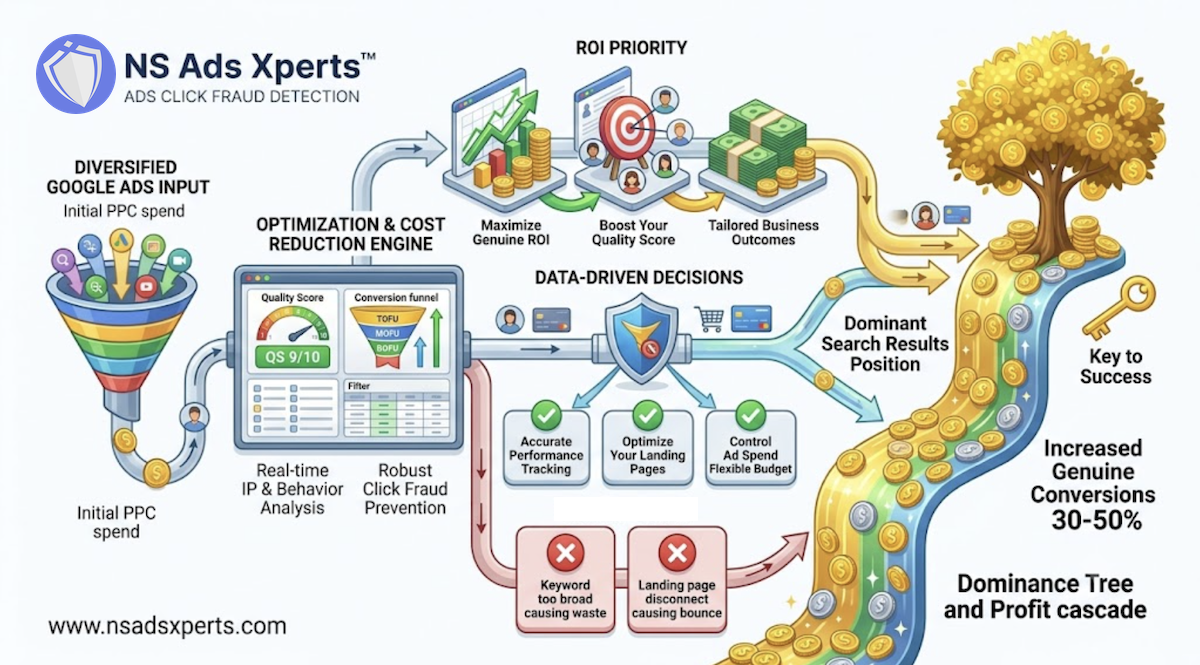
Beyond traditional optimization, protecting your google adwords ppc budget from click fraud is non-negotiable. Without it, even perfectly optimized campaigns will underperform. Implement an ads fraud protection tool like NS Ads Xperts™ to:
- Detect and Block Bots: Automatically identify and prevent bot traffic from clicking your ads.
- Identify Competitor Activity: Block IP addresses of competitors engaging in click fraud.
- Save Ad Budget: Ensure your ad spend goes towards legitimate, potential customers, drastically improving your ROI.
- Improve Data Accuracy: Get a clearer picture of your campaign performance without fraudulent clicks skewing your metrics.
Frequently Asked Questions About Google Ads PPC
Q: What is Google Ads PPC?
Google Ads PPC (Pay-Per-Click) is Google's advertising platform where businesses display ads across Google's network and pay only when a user clicks on their ad. It's a powerful tool for driving targeted traffic and generating immediate leads or sales, based on an auction system where bids and Quality Score determine ad placement.
Q: How does Google Ads PPC work?
It operates on an auction system. Advertisers bid on keywords, and when a user searches for those terms, Google runs an instant auction. Factors like your bid amount, ad relevance, expected CTR, and landing page experience (forming your Quality Score) determine if your ad shows, its position, and the actual Cost Per Click (CPC) you pay.
Q: Why are my CPCs high with little competition?
High CPCs often stem from factors beyond direct competition. A low Quality Score (due to irrelevant ads, poor landing pages, or low expected CTR) can force you to pay more. Additionally, undetected click fraud from bots or competitors can artificially inflate your CPCs by generating invalid clicks, consuming your budget without genuine engagement.
Q: Why am I getting clicks but no conversions?
This common issue typically points to a mismatch. Your ad might be attracting the wrong audience due to broad targeting, or your landing page isn't meeting user expectations — perhaps it's slow, confusing, or irrelevant to the ad. Furthermore, a significant portion of clicks could be invalid (from bots or competitors), which will never convert regardless of your landing page quality.
Q: How can I protect my Google Ads PPC budget from wasted spend?
Protecting your budget involves several steps: meticulously using negative keywords, improving ad relevance and landing page experience to boost Quality Score, and critically, implementing a robust click fraud detection solution. Tools like NS Ads Xperts™ actively identify and block invalid clicks, ensuring your ad spend targets genuine potential customers, not bots or malicious actors.
Unlock Your True Google Ads PPC Potential
Don't let unseen threats like click fraud or common optimization pitfalls undermine your hard-earned google adwords ppc efforts. The path to maximizing your return on ad spend in 2026 involves not just smarter bidding and better ad copy, but also proactive protection of your budget. Take the decisive step to safeguard your campaigns and ensure every click counts. Start a 7-day free trial with NS Ads Xperts™ today — no credit card required — and experience the difference of clean, high-converting traffic.